Spooky season is well and truly upon us. Halloween has been a ‘holiday’ that’s interested me for years but, as I enjoy spending my October half terms on holiday, I don’t often get chance to celebrate it properly. I’m talking about watching fun films, decorating the house and carving up pumpkins.
This year, Halloween happens to coincide with an uptake in the popularity of historical stories.
We all seem to love a good story. The more interesting, the better. Recent research shows that they can be a great way to get students invested in the curriculum, so why not make them topical and timely? I’m already researching the stories that I could use to teach during the festive season, but as the clocks have gone back, and Halloween is soon, why not use a spooky story or two to pique the attention of your students?
Here’s a story that you could use for each of you year groups in Key Stage 3. I’ve included free download links for each of the stories in every section.
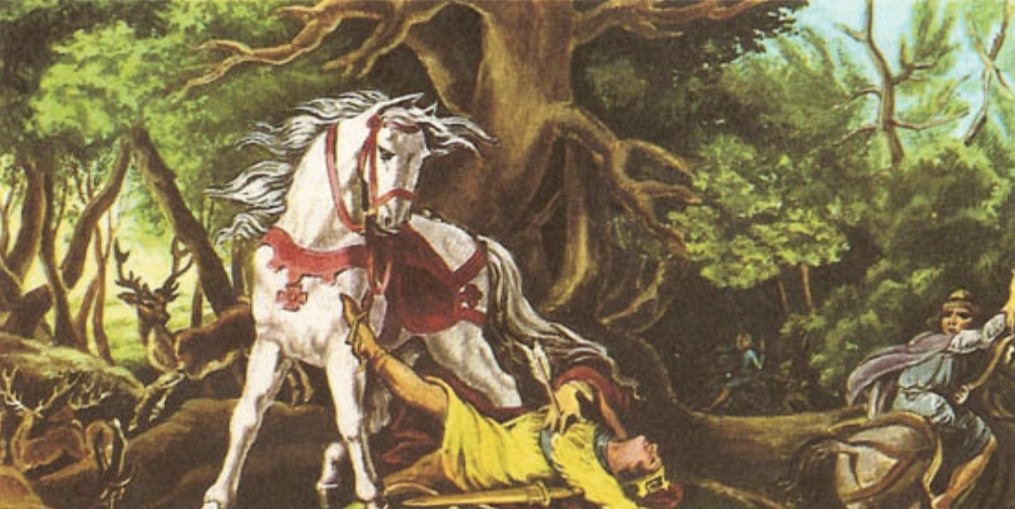
Year 7: The Ghost of William Rufus
If you’re like me, you will have just been teaching the Norman Conquest. Forty years later, the Conqueror’s son, William II – or King Rufus – has taken control of England. In a shocking turn of events; he is killed in the New Forest while hunting.
Was it a tragic hunting accident? A rogue arrow loosed, intended for a deer? Or a cold-blooded assassination, orchestrated by his brother, Henry I?
Use this story to teach evidence evaluation to your students. See if you can gather some sources from the time period to grant them greater insight.
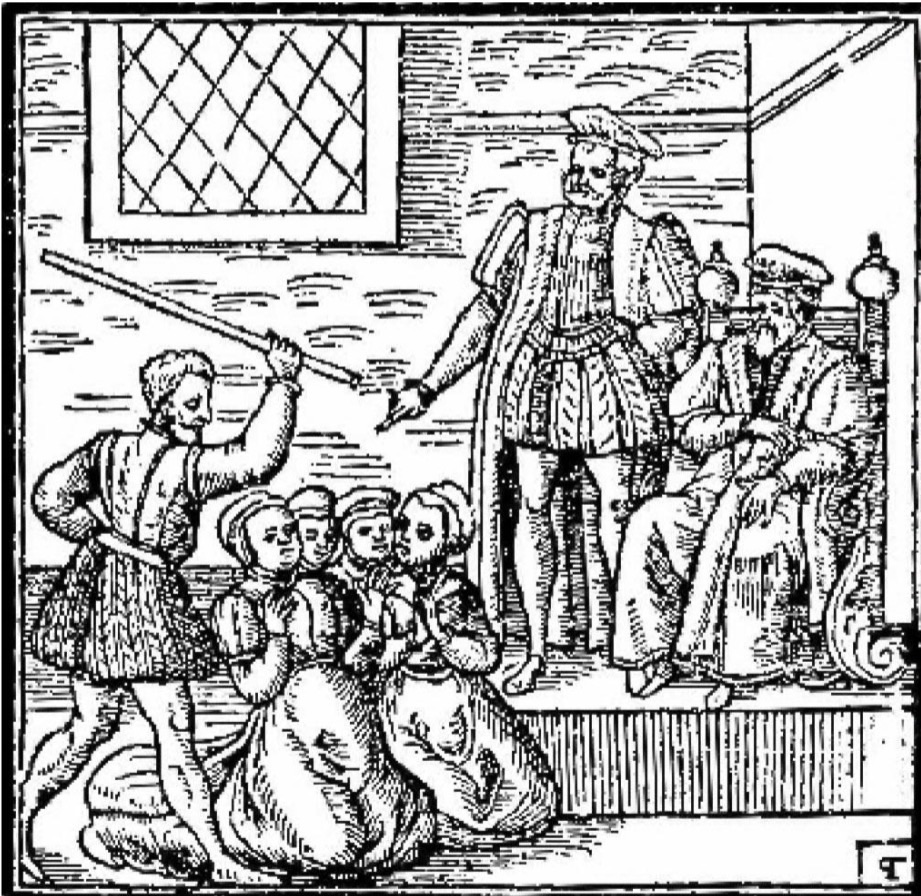
Year 8: The Daemonologie of King James I and the North Berwick Witch Trials
James I was the ruler of two countries – Scotland, and then England, on the death of his aunt, Elizabeth I. His issues with Parliament passed onto his son, Charles I, ultimately leading to the Civil War, and changing the course of English history forever.
What often goes unsaid is James’ obsession with witches. After believing that a coven conjured a tempest to sink his ship, which had been returning from Denmark, he personally interrogated suspects and authored his own witch-hunting guided, Daemonologie.
Imagine Charles III writing something similar in today’s world. It’s unthinkable.
Use this story to examine royal anxieties, introduce religious turmoil and explore gender dynamics in state-sponsored witch hunts. A great way to introduce your students to the upset of the 1600s.
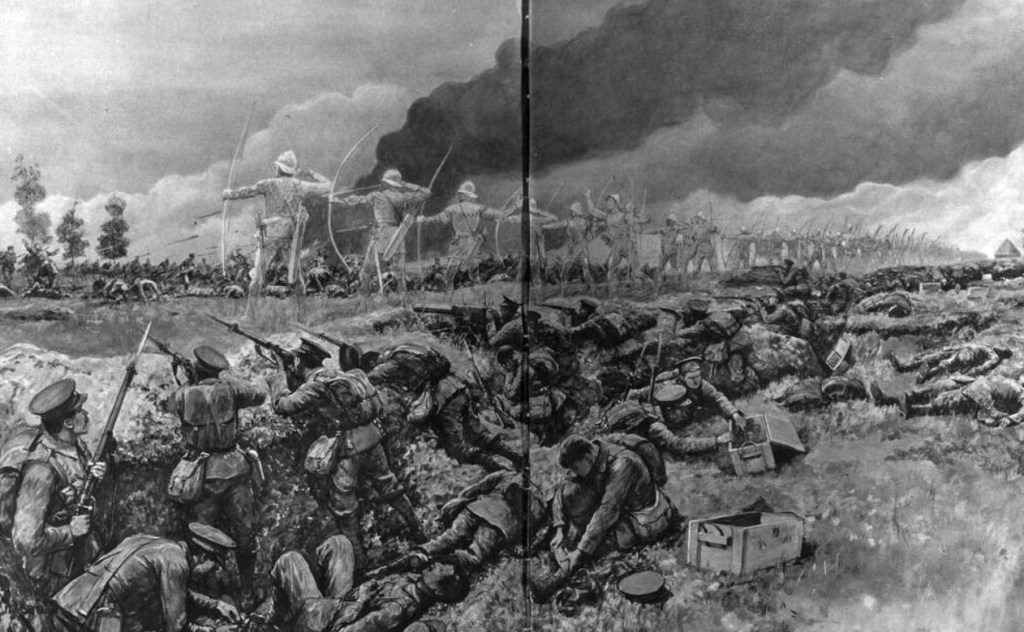
Year 9: WWI and the Angels of Mons
If you’re currently teaching WWI, this’ll be a great way to re-engage students after they’ve had time off for half term. Picture this: you’re an English soldier, part of the British Expeditionary Force at Mons, Belgium. Suddenly, you hear rumours of phantom bowmen, straight from the Battle of Agincourt – angelic figures – appearing in the sky, sent to protect your fleeing forces!
This is a great way to study battlefield psychology and wartime myth-making, as well as homefront propaganda, especially if you’ve just sent students in to explore the makeup of the trenches. It’ll really put them into the boots of soldiers on the frontline.
And if you really want to engage them, here’s how to take a group of Year 9 and 10 students on a school trip all the way to Ypres, to explore the battles that took place in the Somme.
All of the stories that you’ve downloaded have been made by me and are based on real-life stories from the time in which they happened, but they are not suitable as sources or interpretations from the time or afterwards.
If you’d like even more of my resources, check out my TES, where I’ve created video walkthroughs for how students can answer questions at GCSE and A Level, as well as whole schemes of work to save you hours of time.
While you’re here, you’ll love…
- History through stories: using cold cases in the classroom
- How to run a calm, high-impact registration: setting the tone in the 15 first minutes of the new term.
- How video games made me a more productive teacher
- How to build a sustainable reading habit in just ten pages a day
- How to stop your to-do list overwhelming your brain
Follow my socials!

