Sometimes, students need time outside of the classroom. They need to be by themselves and take a breather away from a potentially disruptive or unsettling environment.
Sometimes, that doesn’t work. It’s really hard to manage a whole classroom of kids while also trying to help settle a student outside. In trying to develop more self-regulated learners, I’ve been trialling the use of an iOS and Android app to help them better understand and manage their own emotions. Students at my school are all equipped with iPads, so they can left to do this independently, rather than relying on guidance from a member of staff. It’s all with the intention of keeping students in my classroom as much as possible, and to avoid sending them to isolation rooms for making poor choices.
Have a read below to find out what it is, how it works, and whether it’s worth trying out in your classroom.

How we feel
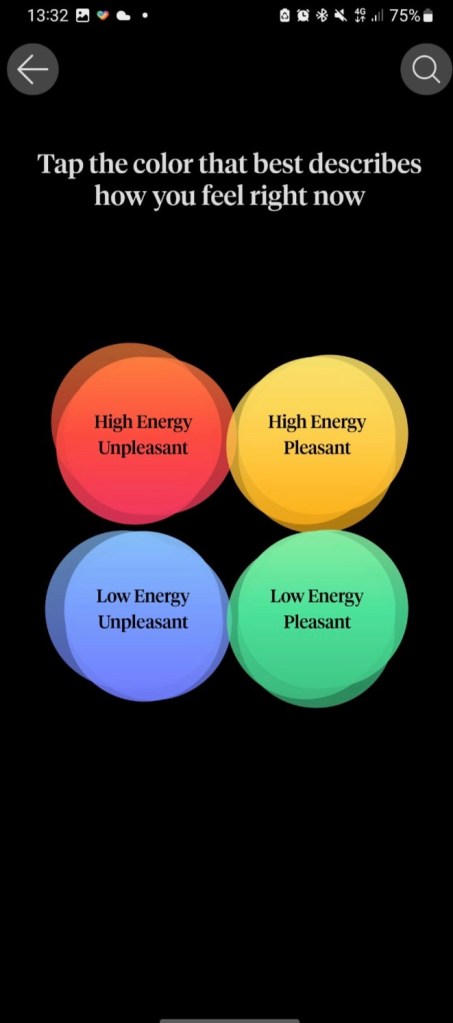
The app, called How We Feel, allows users to ‘check-in’. I will often ask students to step outside to do this in private, though you might prefer to trust them to pop their headphones in and get on with it at the back of your room. Once students have checked in, they’re presented with four options and need to select the one that they relate to the most in that situation.
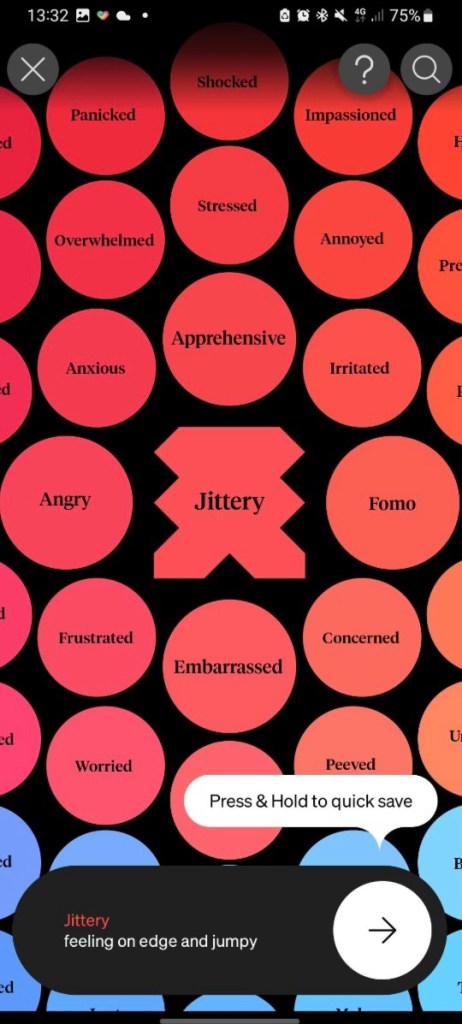
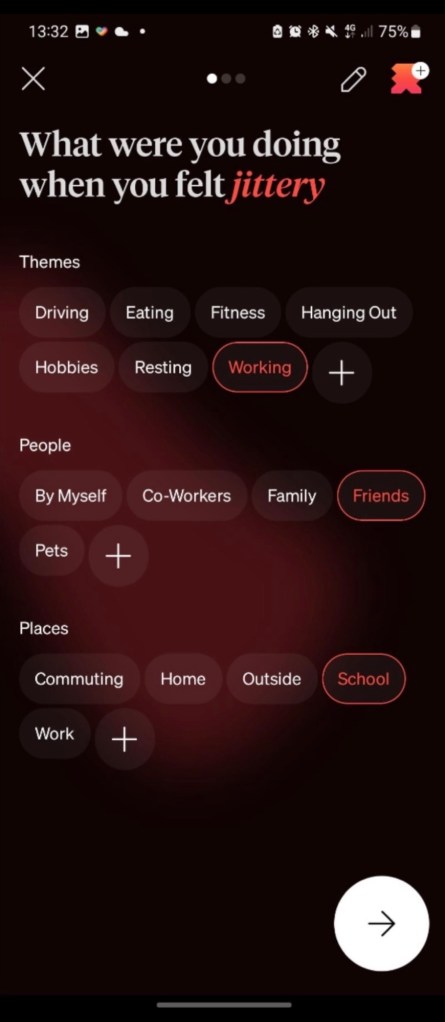
After selecting an option, students will be shown lots of related emotions, with descriptions to go with them. The idea behind this stage is that it will help your students to recognise and put names to their emotions. Instead of always describing themselves as angry, for instance, they might understand that, actually, they feel jittery, or uncomfortable. By recording what has triggered that response, they will be able to keep track of their triggers, and hopefully work with their teachers to put measures in place to avoid those triggers in the future. Maybe that’s something as simple as ignoring the person responsible for distracting them or helping them to understand when they need to take time out for a breather outside of your classroom.

Following this, students are presented with ‘lessons’, which are short videos that take about two minutes to watch. Lessons tend to target a variety of topics based on the emotions that the user lists during the check-in process, but all with the intention of helping you to work through your emotions independently. Eventually, students might be able to incorporate these lessons into their daily lives while a situation develops. Say, if another student is choosing to talk to them; they could train themselves to ignore the other student if they know that they will leave the situation with a negative reaction.
These lessons can be accessed whenever they are needed, but there are also a wide variety of other activities to engage with. I’ve personally had a go with the breathing exercises, which help you to get in control of your breathing as a way to calm down, and positive affirmations, which are designed to be empowering.
My personal favourite exercise involves writing down lots of negative thoughts and actually getting to burn them all away on-screen! It’s a very visual simulation of collecting and destroying negative emotions, which makes the whole experience incredibly empowering.

Tracking your wellbeing
How We Feel is free from the App Store, so why not have a go prior to trialling with your students to see how it fits into your behaviour toolkit? Equally, you might fancy using it to track your own emotions, to help with your peace of mind and mental wellbeing. It could be one way that you avoid burnout in the classroom. I’d really recommend it for secondary schools in particular.
What strategies do you use for helping students to regulate their own behaviour and emotions? I’d love to swap tricks of the trade in the comments below.
If you’d like that, you’ll love…
- Reclaim your evenings: A Busy Teacher’s Guide to Healthy Meal prep
- 16 incredible books to read in 2026
- How to actually achieve your goals in 2026: The Anti-Resolution toolkit
- The First 90 Days: How to survive (and thrive) as a new Head of History
- 7 Brutal Questions to Course-Correct your Life before 2026
Why not follow me on social media?
 Hardly Hamilton
3 thoughts on “Regulating emotions in the classroom with How We Feel”