It was about this time last year that I was in Spain, catching a taxi from Málaga airport. My father had placed me into the front seat of our taxi to ‘try out my language skills’.
Stress.
I tried the usual niceties, asking how his day had been, what the weather had been like and if it had been a busy night for him so far. He asked whether I follow football, and the conversation ended pretty abruptly when I replied ‘no, lo siento’ (‘No, I’m sorry’). An hour later, we were dropped off at our hotel and said our goodbyes.
Three words. That’s how much Spanish I spoke that day. Three words, and one of them is the same in English and in Spanish.
And yet, I’ve got a 1440-day streak on Duolingo. I pay for Super, their premium version, and dedicate so much time to their minigames and leaderboards, yet didn’t even attempt a broken conversation. Where was the confidence to try something a little bit scary?
So, I relented: in the new year, I added Lingopie to the mix: imagine Netflix, but it’s dual-subtitled in your target language and comes with access to online tutors for 1-2-1 or group online sessions. I’ve really enjoyed adding this app to my arsenal, but that’s partly because it’s a productive alternative to doom scrolling or sitting in front of the TV for hours at a time.
To be truly fluent, however, you’d need to live in a country that speaks your target language and speak to locals every day. That being said, the more ways that we can have to learn a language, the easier it should be for those language lessons to sink in.
Enter FluenDay. I’ve been using the premium-tier plan most days for the past month alongside Super Duolingo and Lingopie to see whether it would actually help me to learn Spanish. And because I’m a fan of upfront conclusions, the answer is yes: FluenDay is great for learning Spanish.
Keep scrolling for my in-depth review.

What is FluenDay?
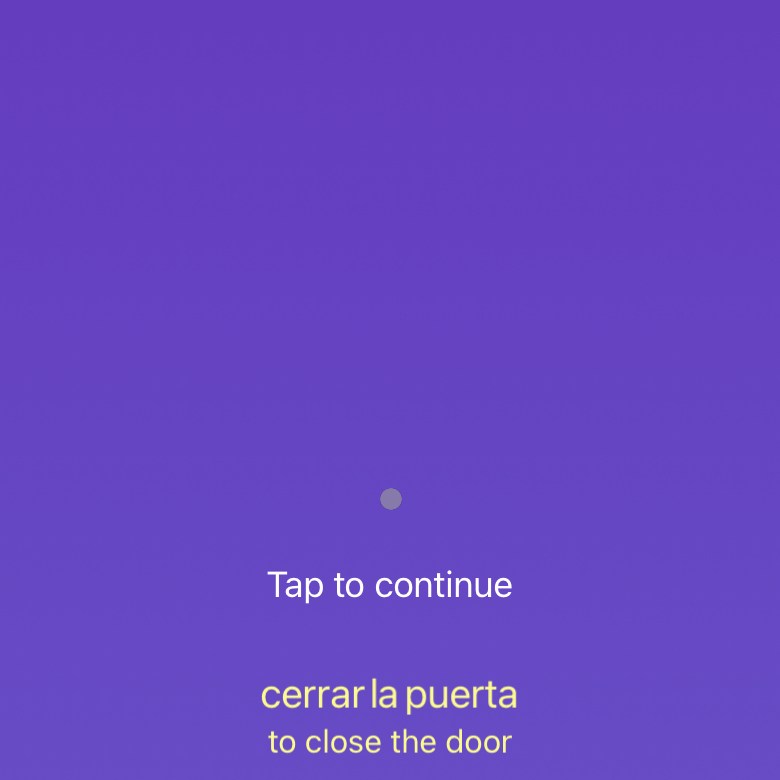
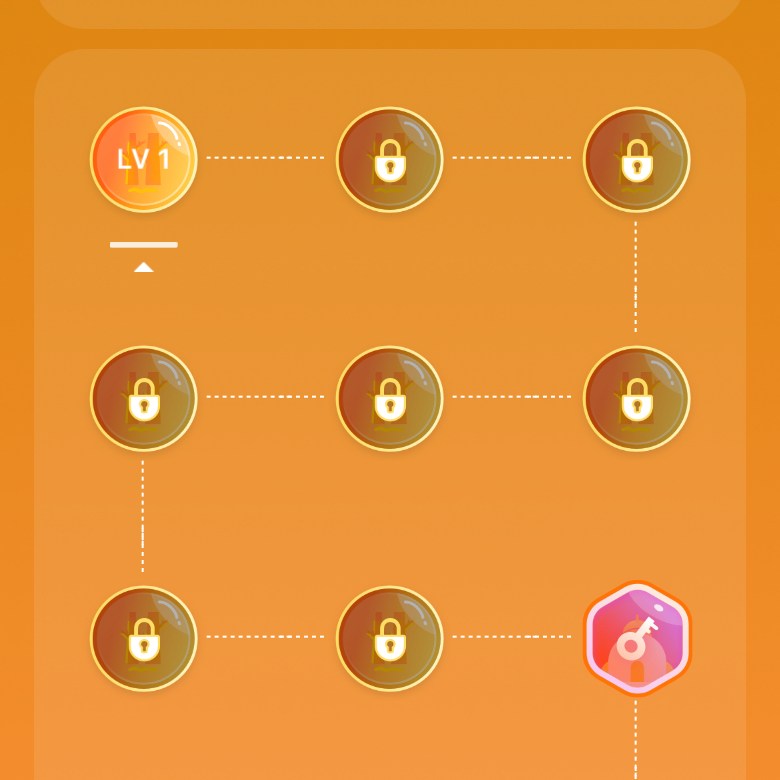
FluenDay is remarkably similar to Duolingo. The app offers a pathway with different levels about various subjects in the world of your chosen language. The options on offer at the moment are much more limited because it is a relatively new app, but currently English speakers can choose from Spanish, French or German. I’ve only tested the app with Spanish, since that’s the only one that I’m interested in learning. I explored Japan this summer, though, so I’d love to learn Kanji and Katakana through FluenDay if it ever comes to the app. I’ve also heard that English-learners get access to an AI tutor, which sounds like a really great way to differentiate it from other pathways.
The app itself works great, though currently there isn’t a native iPad app, which is how I like to learn, since it puts me into a more productive headspace. If you do prefer using a bigger screen on tablet, their website is just as effective.
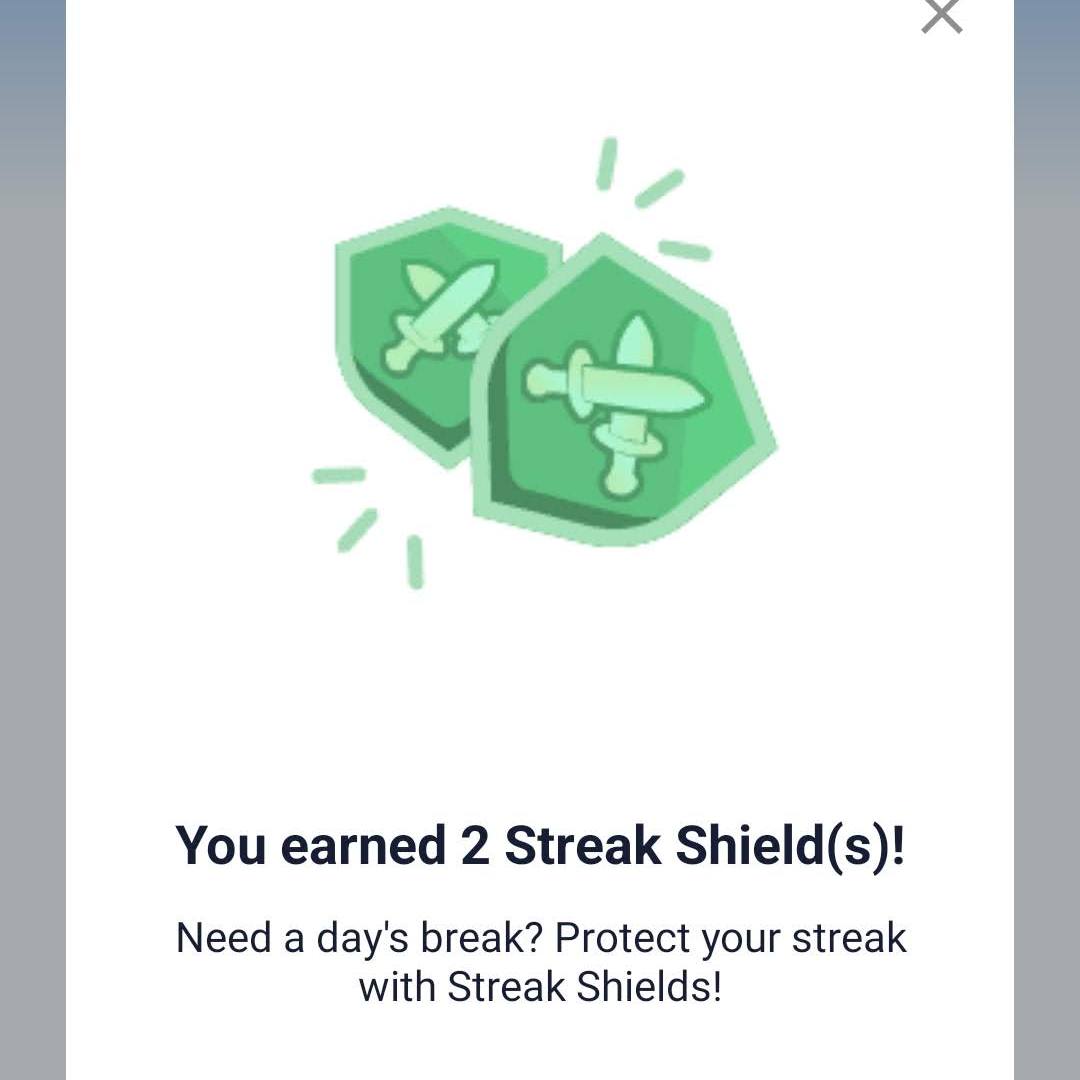
Wherever you choose to learn, the course is laden with features that you’ll have seen before on other language-learning apps, such as minigames, leaderboards and a daily streak. Not everyone will enjoy the gamification, but I’ll take anything that gives me an excuse to return to positive habits. As James Clear wrote in Atomic Habits, you should make your habits easy to access to ensure that you’ll return to them – and leaderboards fit that purpose for me.
Its UI feels great to use, and allows users to ‘test out’ of various sections to skip ahead on their language-learning path. While you can’t do a big test from the beginning to plot you more accurately along its pathway, I feel like the ‘test out’ feature counteracts this nicely.
The app also has a mascot – a bear – but this is a lot less threatening than Duolingo’s owl. While there are clearly many similarities with other, more well-established, apps, I wasn’t too concerned by this; there are only so many ways in which you can design an application.
However, that’s where the similarities end. FluenDay offers far more comprehensive choices for the pathways that users can undertake to learn a language, and I really appreciate that level of freedom and choice. If I were a betting man, I’d wager that they’ve done this as a unique selling point to differentiate it from the likes of Duolingo.
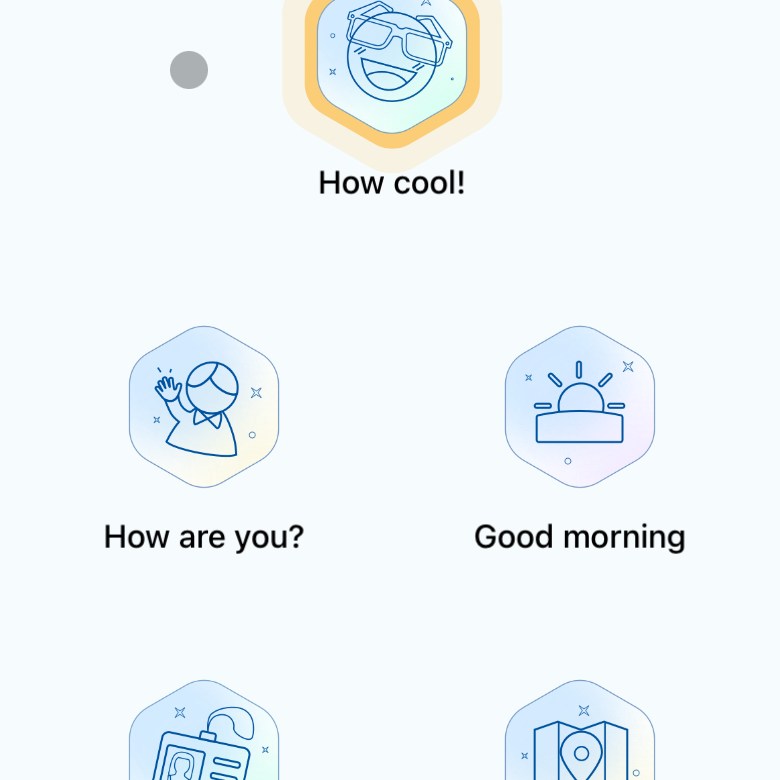

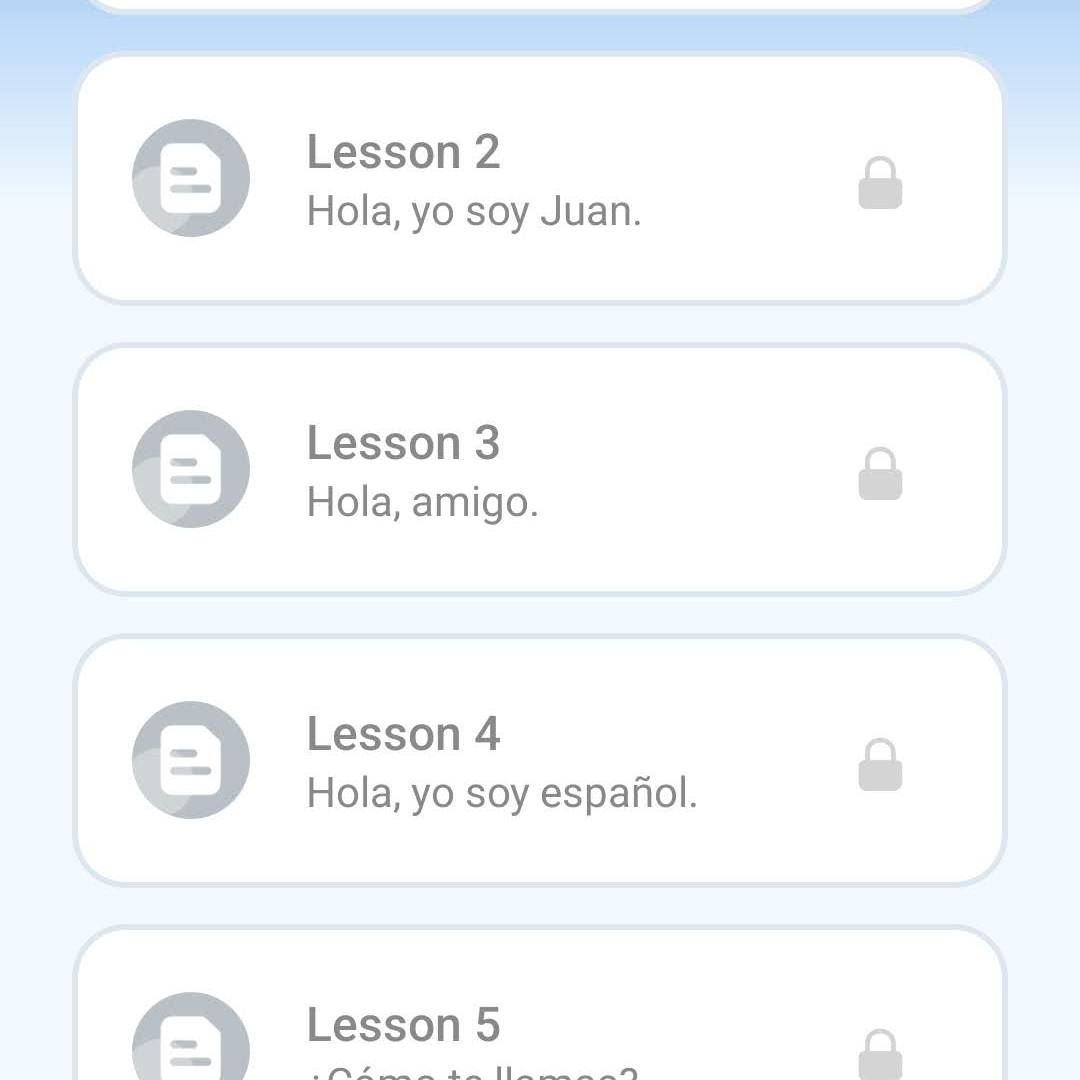




The first big advantage can be seen in the speaking exercises on offer. You can record yourself and play those back, letting you hear exactly what you sound like when pronouncing all of the intricacies of a second language. From a teaching and learning perspective, feedback is an essential way to understand what we’re doing well and how to do even better. If you don’t have the funds to hire a real-life tutor to provide feedback, why not ask an app to do it for you?
As well as that, once you’ve finished a lesson, you won’t just be prompted to click ‘continue’; instead, you can select ‘next lesson’, which I really appreciated as a way to keep you on the app and to continue learning.
Finally, a really positive (yet, understably, teeny-tiny detail) that genuinely makes such a difference were the sound effects that play when you do something correctly in a lesson. While Duolingo is quite a grating, loud buzz, FluenDay makes a far gentler sound.
Point to FluenDay.
Movie time
Perhaps the most interesting part of FluenDay is its movie clip section. When I first saw this recommended, I immediately clicked away and onto its traditional language-learning path. I thought, there’s no way I’m going to watch long-form content in public. Anyway, that’s what I have Lingopie for.
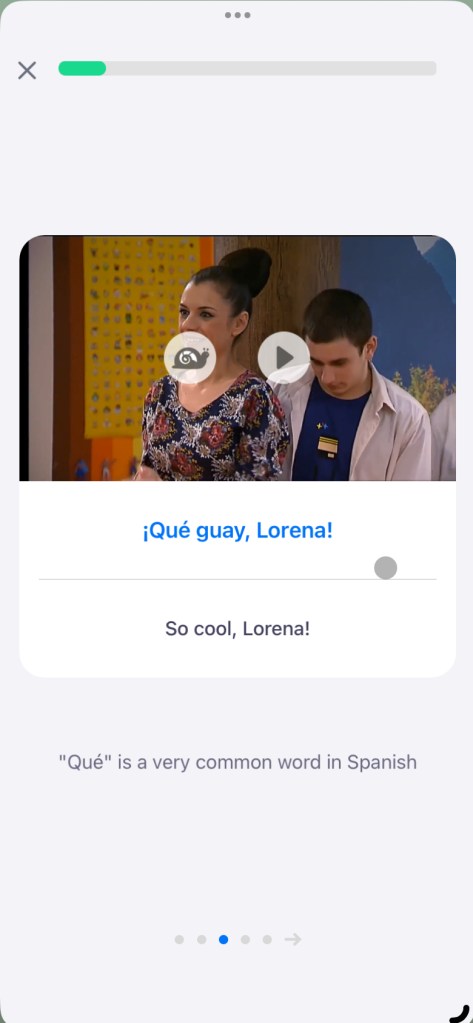
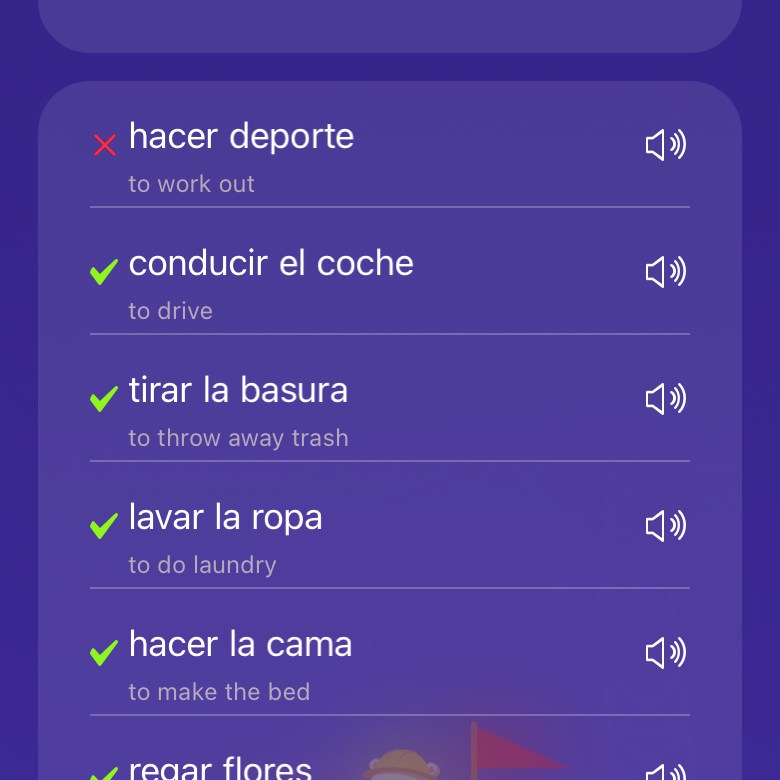
Man, was I wrong. While waiting for a flight (back to Spain, no less. Getting those language lessons in at the absolute best of times), I flipped onto the Movie clips sections – and I was blown away. It takes over 3,000 clips from popular movies and TV shows in your target language, and uses that to show you how real life people say these phrases. The artificial voice will give a very clear pronunciation of words like genial and phrases like cómo estás, but it’s so much more useful getting to see the timing, pace and intonation of an actual person in a seemingly real-life scenario. It’s much more akin to the explaining and modelling that you should see exhibited by any good teacher, giving students time for independent practice after they’ve seen exactly how to say these new words and phrases.
At the end of a movie clip lesson, you can then do more speaking practice, once again giving users the opportunity to record themselves speaking and play themselves back for instant feedback.

Ebooks in your target language
When I was in Mallorca before the end of my six week break, my friend and I sat on the beach, each with a book in hand. Mine was about a London-based detective who also happens to be a wizard (which you can read about on my Instagram account’s monthly favourites), and she had a Spanish book. Considering she’s lived in Spain and spoken the language in excess of 15 years, I think it’s safe to say that she’s a little more advanced than I am.
Her choice of books spoke pretty loudly: reading in your target language is a good way to learn, and the internet seems to agree.
That’s why I was so surprised to see that FluenDay came jam-packed with ebooks to enjoy. It’s so refreshing to have alternative ways to learn that aren’t just run-of-the-mill speaking and listening exercises, and simply reading a book at my target level (A1-B2: the further along the alphabet, the better at the language you are) was a great way to mix up my learning tasks. You can either read the book yourself, or a real human voice will do that for you, like an audio book (no 2x speed available just yet, though that might be for the best for acquiring a new language, even if it’s a great way to listen to podcasts!).
Plus, I’ve had a target set on my GoodReads account of 30 books in a year – and at this rate, I need all the help that I can get to reach it before the new year.

Minigames galore
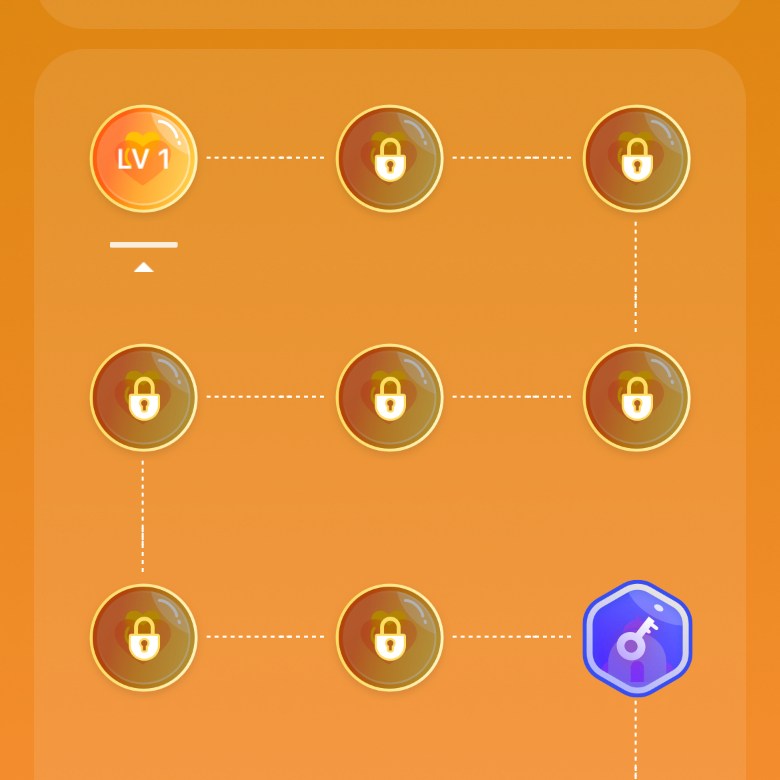
I cannot communicate clearly enough just how many minigames FluenDay offers. While the sheer number could easily overwhelm, I think that they’ve avoided cognitive overload by splitting them into various sections. Rather than simply playing a matching game, the minigames focus on either vocabulary, grammar, phrases, or ‘integrated’, which appears to be a mix of the other three.
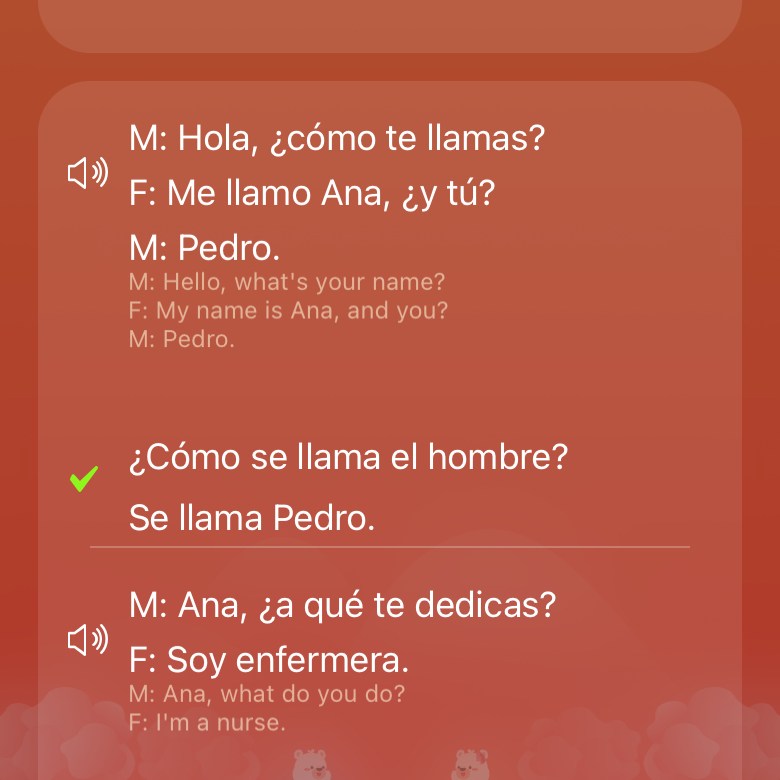
Each minigame involves various tasks, such as clicking the correct ‘response phrase’ or selecting missing parts from an incomplete word or sentence. Most of these minigames involve helping their bear mascot in some way, which further gamifies the experience and keeps me on their app. I especially enjoyed the ‘dialogues’ game from the ‘integrated’ section, which asks you to fill in the blanks from a two-way conversation.
I think that FluenDay needs to be careful to narrow their focus so that learners aren’t always too distracted from the pre-set course, or else some users might find themselves making very limited progress on their learning path. However, as someone who’s now been learning Spanish for a number of years, I did really enjoy how different each game felt. Perhaps over time, the number available will be narrowed down and the app will only offer those that users engage with the most.





Who is FluenDay for?
That’s an easy question to answer.
My gut reaction is to say anybody, since it offers a 7-day no questions asked money-back guarantee. When a company offers that, you know that they have faith in their product. So, if you’re even remotely interested, then I’d say to go for it; what do you have to lose?
If you’ve already got Super Duolingo, I’d suggest using it alongside the owl or switching altogether. Duolingo is, undeniably, the more mature app, and so there are certain things that it implements better, such as the snappiness of the app (and its native iPad version) and the number of languages on offer. Ultimately, though, I’d say that FluenDay is better for acquiring language skills. And, at the end of the day, isn’t that what we use these apps for?
However, unless you have money or time to burn, I wouldn’t recommend using three apps in tandem, like I do. Instead, put your money towards real-life language-learning sessions, or perhaps trial FluenDay, see if you like it, and then opt for that alongside Lingopie, since those apps are pretty different.
What I’d really love is if FluenDay and Lingopie put their talents together in some kind of ultimate package, since we’d then get the best of both worlds, but that might be asking for too much.
If the free trial goes well, Fluenday offers a bunch of packages that make it incredibly affordable. For one month, we’re looking at $9.99, or $49.99 for 12 months. If you believe in the efficacy of the app, I’d personally recommend six-year access for $69.99. So, if you like what you see (and I think that you probably will), check out their website and go for that one to make your language-learning journey as affordable as possible.
I finally have the confidence to speak a little Spanish to locals and I’m sure that you will do, too.
Even if it is only ‘buenas’ and ‘¿qué tal?’

Are you learning a language? If so, I’d love to hear about your language-learning habits in the comments below.
This was a paid post for Fluenday. However, you can always trust my reviews, since I’d never recommend something that I don’t like or actively use. If you’d like to work with me, check out the ‘contact me’ section of the website to get in touch.
 Hardly Hamilton
2 thoughts on “How FluenDay actually helped me to speak Spanish like a local”